Regenerative tourism has become an increasingly important idea across the tourism industry, but for many businesses it can still feel difficult to translate into day-to-day decisions. What does it actually look like? Where do you start? And can it really benefit the business as well as the destination?
Working with Green Traveller Media, we supported VisitEngland to develop a series of case studies showcasing tourism businesses across England that are putting regenerative tourism into practice. Together, they demonstrate that regeneration isn’t about following a checklist or introducing a single environmental initiative. It’s about building stronger relationships with the places where businesses operate, and actively contributing to local communities and nature conservation alongside commercial success.
While every business took a different approach, five common themes emerged.
Regeneration starts with place
Many of the businesses we spoke to built their businesses around the distinctive character of their local area.
At The Yan in the Lake District, everything begins with Cumbria’s farming heritage. The menu celebrates local producers, with ingredients sourced from nearby farms and suppliers wherever possible. Rather than designing dishes first and finding ingredients afterwards, the business lets the landscape shape the menu. As Commercial Director Jessica Manley explains, “We’re choosing tourism as our livelihood, so it’s important that we respect the place we live.”
At 42 Acres in Somerset has made nature restoration the foundation of its business, with the landscape itself becoming the experience. Guests reconnect with nature through rewilded meadows, woodland, locally grown food and immersive activities designed around the rhythms of the land.
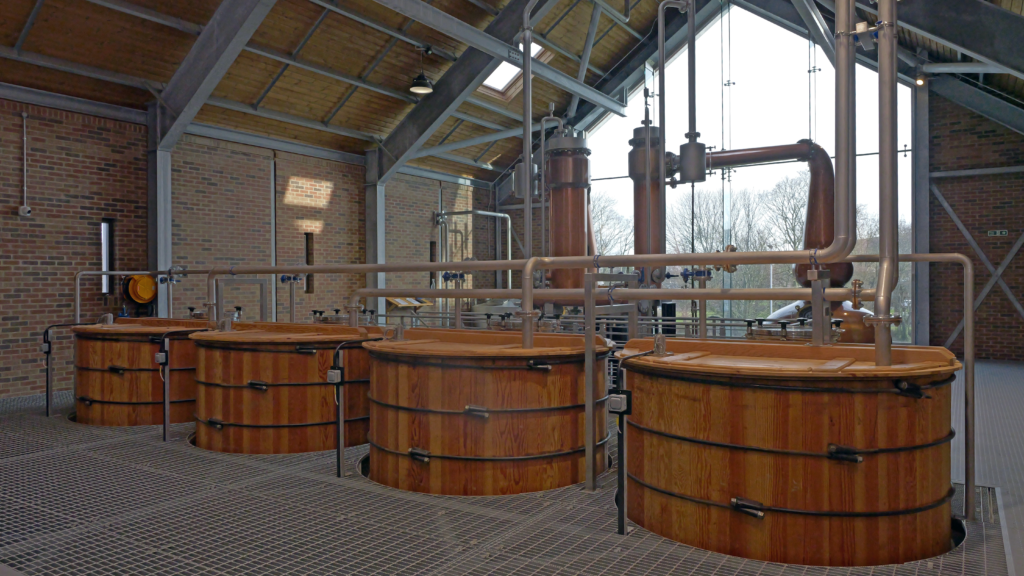
Meanwhile, Ad Gefrin in Northumberland, a working whisky distillery and Anglo-Saxon museum has revived a whisky-making tradition absent from the region for more than 200 years. Local barley, local water and local heritage all combine to create an experience that could not exist anywhere else. The business describes itself simply as “keepers of the land”, recognising its responsibility to leave the place stronger for future generations.
In each case, regeneration starts by asking a simple question: what makes this place unique, and how can our business help it thrive?
Good for destinations. Good for business.
One of the strongest messages from the businesses was that regeneration isn’t simply about reducing environmental impacts. Done well, it creates commercial value too.
The Yan has redesigned its menus to reduce waste by using ingredients across multiple dishes, batch cooking and encouraging guests to pre-order meals. These changes reduce food waste and costs, while allowing the restaurant to serve significantly more covers on busy occasions.
Ad Gefrin has embedded circular thinking into its operation from the outset. Spent grain and nutrient-rich by-products return to local farms, heat from whisky production is reused within the building and recycled bottles are given a second life in the visitor centre. At the same time, the business has created year-round local employment, strengthened the visitor economy and helped stimulate new businesses in the surrounding community.
For 42 Acres, investing in biodiversity has helped attract guests looking for more meaningful travel experiences, creating repeat visits, new partnerships and growing interest in nature-based retreats.
The common thread is that regenerative approaches strengthen the business as well as the destination. Lower costs, stronger local supply chains, distinctive visitor experiences, loyal customers and a clearer sense of purpose all contribute to long-term resilience.

Regeneration is built through collaboration
None of these businesses is creating change alone.
The Yan works closely with neighbouring farmers, local suppliers, universities and guests to continually refine its approach. Ad Gefrin has built long-term relationships with local farmers, maltsters, community organisations and neighbouring businesses, ensuring that economic value circulates within the local area. At 42 Acres, partnerships with growers, conservation specialists, retreat leaders and land practitioners help bring regeneration to life for visitors.
This highlights an important insight for destinations as well as businesses. Regeneration happens through networks of organisations working towards shared outcomes. Individual businesses can achieve a great deal, but destinations have an important role in creating the conditions for collaboration, sharing learning and helping businesses develop together.

Five lessons for tourism businesses
Every business will have a different starting point, but the examples we explored suggest five practical principles that almost any tourism business can apply.
Start with your place. Build your business around what makes your destination distinctive, whether that’s its landscape, heritage, food, culture or wildlife.
Think beyond your own business. Collaboration creates opportunities that no business can achieve alone. Working with suppliers, neighbouring businesses, community organisations and destination partners helps strengthen the whole visitor economy.
Look beyond environmental benefits. Regenerative approaches can improve efficiency, reduce costs, strengthen customer loyalty, support staff retention and create more distinctive visitor experiences alongside positive environmental outcomes.
Bring visitors into the story. Guests increasingly value authentic experiences and want to understand the places they visit. Sharing the stories behind local food, landscapes, heritage and communities creates richer, more memorable experiences.
Think like a steward. The businesses we spoke to shared a common mindset. Rather than asking how they could simply reduce harm, they asked how they could leave their place stronger than they found it. That shift in perspective often shapes every decision that follows.
Supporting businesses to take the next step
One message came through consistently. Businesses are often keen to do more but don’t always know where to start or have the time and capacity to explore new approaches on their own.
That’s where destinations can make a real difference. By sharing practical examples, as VisitEngland has done, encouraging peer learning and creating opportunities for businesses to collaborate, destinations can help strengthen local supply chains, improve visitor experiences and build greater resilience across the whole tourism economy. Explore all the regenerative tourism case studies we helped to create on the VisitEngland website.