Destinations across New Zealand are stepping up as climate leaders – discover how our online course and tailored coaching are sparking action.
Destinations around the world are facing growing climate risks, from extreme weather events to changing visitor expectations and behaviour. At the same time, national policies, regulations, and consumer trends are increasingly favouring destinations that take steps to reduce emissions and build resilience. This means Destination Management Organisations (DMOs) have an ever more important role in leading climate action across their destination. Our Destination Climate Champions online course (created with Expedia Group) and associated coaching service provide vital support specifically for destinations wanting to make a start or improve on their efforts.
Creating a climate action plan and following through on that plan, can no longer be seen as a ‘nice to have’, or something that can drift down the priority list – it’s essential for long-term success. But climate action planning can seem daunting and complicated. The DMOs we work with often tell us about the overwhelming scale of task, how they have limited scope to influence change, or that there is little climate experience within their team. The course and coaching directly address those challenges. We’ve received excellent feedback from many of the destinations that piloted the course last year, including that the course broke down the topic into manageable chunks, removed barriers to getting started, increased confidence and gave helpful guidance and structure – what needs to be done and how to do it.
Group coaching
Last year, thanks to support from Regional Tourism New Zealand (RTNZ), as well as completing the online course, Regional Tourism Organisations (RTOs) across New Zealand received bespoke, group coaching from Travel Foundation experts. This enabled participants to delve deeper into relevant topics and consider these in the unique context of their destination. It also provided opportunities to exchange challenges and ideas with coaches and peers and added a level of accountability that encouraged the destinations to move forward with their plans and initiatives.
Moving from intention to action
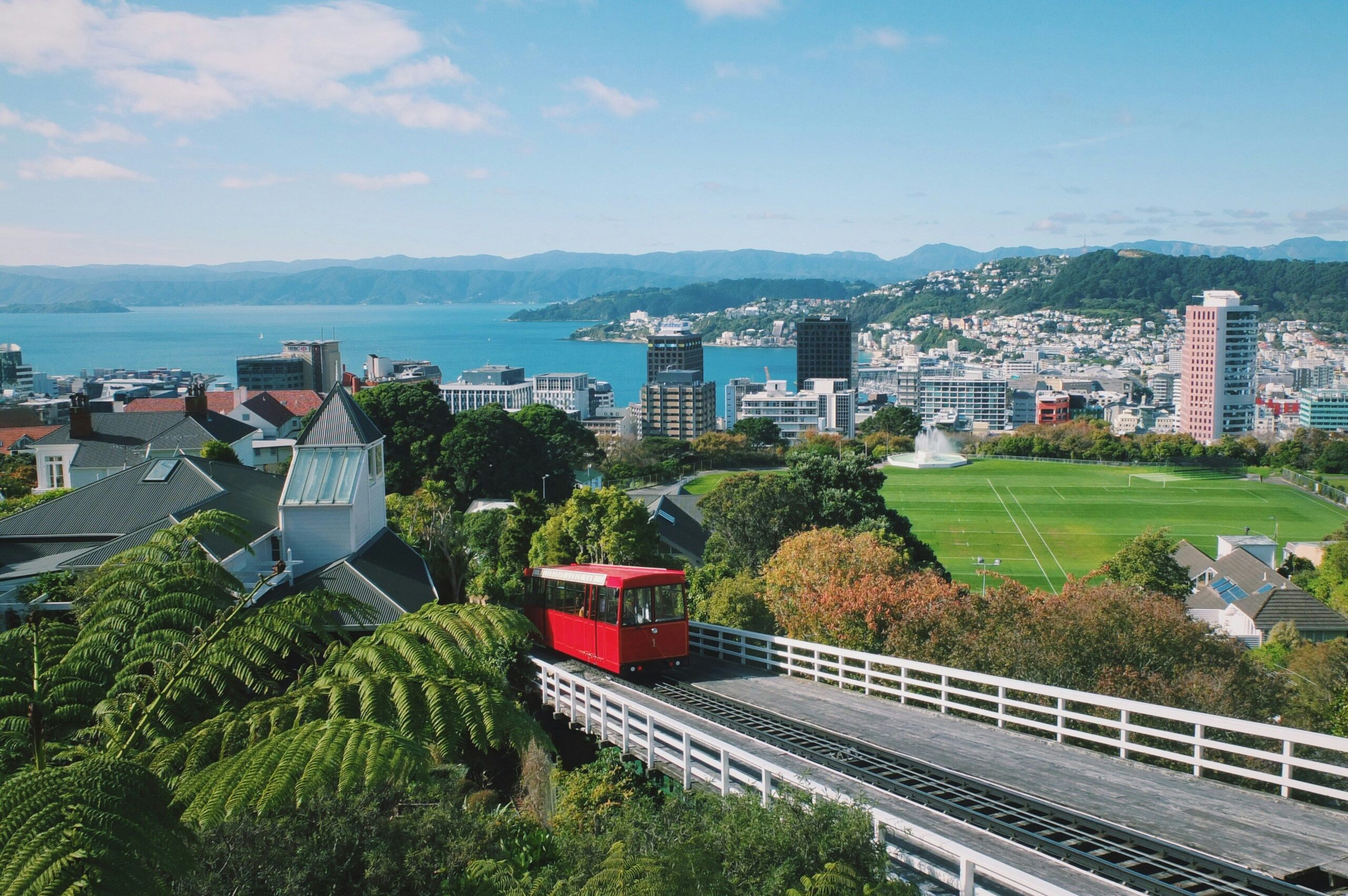
For WellingtonNZ, the course and coaching has supported the critical thinking required to develop a climate action plan, which is set to be integrated into Destination Pōneke, Wellington’s Destination Management Plan. The course sparked important conversations and planted the seed of an approach that is now being shaped and strengthened by the expertise of climate practitioners across the city.
“The coaching and guidance offered through the programme were instrumental in helping us move from intention to action. The programme provided the structure and support we needed to start articulating our commitment to climate action in the context of tourism and destination management,” says, Chris Sperring, Destination Pōneke Manager.
“As we continue this work alongside our partners, we are building on the momentum and insights gained through the program and aligning them with the broader climate strategies already in place across our city. For WellingtonNZ, this isn’t just about reducing emissions – it’s about redefining what it means to be a truly regenerative, future-focused place to live, work, study and visit.”
Sharing your climate journey
For Great South the course has supported their approach to climate action, both as an organisation and across the destination.
“We have a greater sense of the role we can play to inspire positive change within our regional tourism sector and create a future where sustainability is the cornerstone of all we do,” said Amie Young, Destination Development Manager for Great South.
As a result, Great South has shared their organisational journey and the decarbonisation actions they’ve taken, created an online platform to celebrate operators in the region who are working to reduce their impact, and highlighted the efforts of conservation and environmental programmes within Murihiku Southland.
“By sharing the work being done and raising awareness, we are building the reputation of our destination and encouraging visitors to engage with the efforts of our communities,” Amie continued.
Developing a supporting network
For Queenstown, the course reinforced their direction and approach to climate, as well as the key role that tourism can play in addressing climate change.
“It validated some of our own case studies and business examples, as well as supporting our approach to the evolution of our marketing,” said Sarah O’Donnell, Marketing and Communications Director at Destination Queenstown.
“Another benefit has been the good connections we’ve developed with other RTOs through the coaching cohort, which enabled us to share insights and identify opportunities for collaboration,” Sarah continued.

Strengthening resilience across a region
A similar coaching cohort was organised in the Pacific Islands supported by the South Pacific Tourism Organisation (SPTO). Both examples highlight the power of regional organisations, like RTNZ and SPTO, in connecting destinations, encouraging exchange and inspiring collective action amongst peers. Ultimately, this can bring huge value to the country or region as a whole, leading to change that will reduce risk and support a more resilient, fairer tourism economy for the long term.
“Regional Tourism New Zealand (RTNZ) realised that the Destination Climate Champions programme was a powerful opportunity to strengthen the role of RTOs as leaders and champions of climate action within their regions,” said RTNZ’s spokesperson, David Perks.
“RTOs are uniquely positioned in their communities to bring together stakeholders across a destination’s eco-system, however, to do this well — and to navigate what are often complex and challenging conversations – investing in the capability of RTOs is critical. New Zealand’s participation enabled 12 RTOs to build their confidence, capability, and work around their climate leadership and therefore sharpen the climate focus within their destination management plans.”
Many of the destinations across New Zealand and Pacific Islands that have engaged in the course and coaching are now amongst those leading the way in climate action. Their examples highlight the important role DMOs have in fostering and inspiring climate action across tourism destinations – for the benefit of communities, visitors and tourism economies alike.