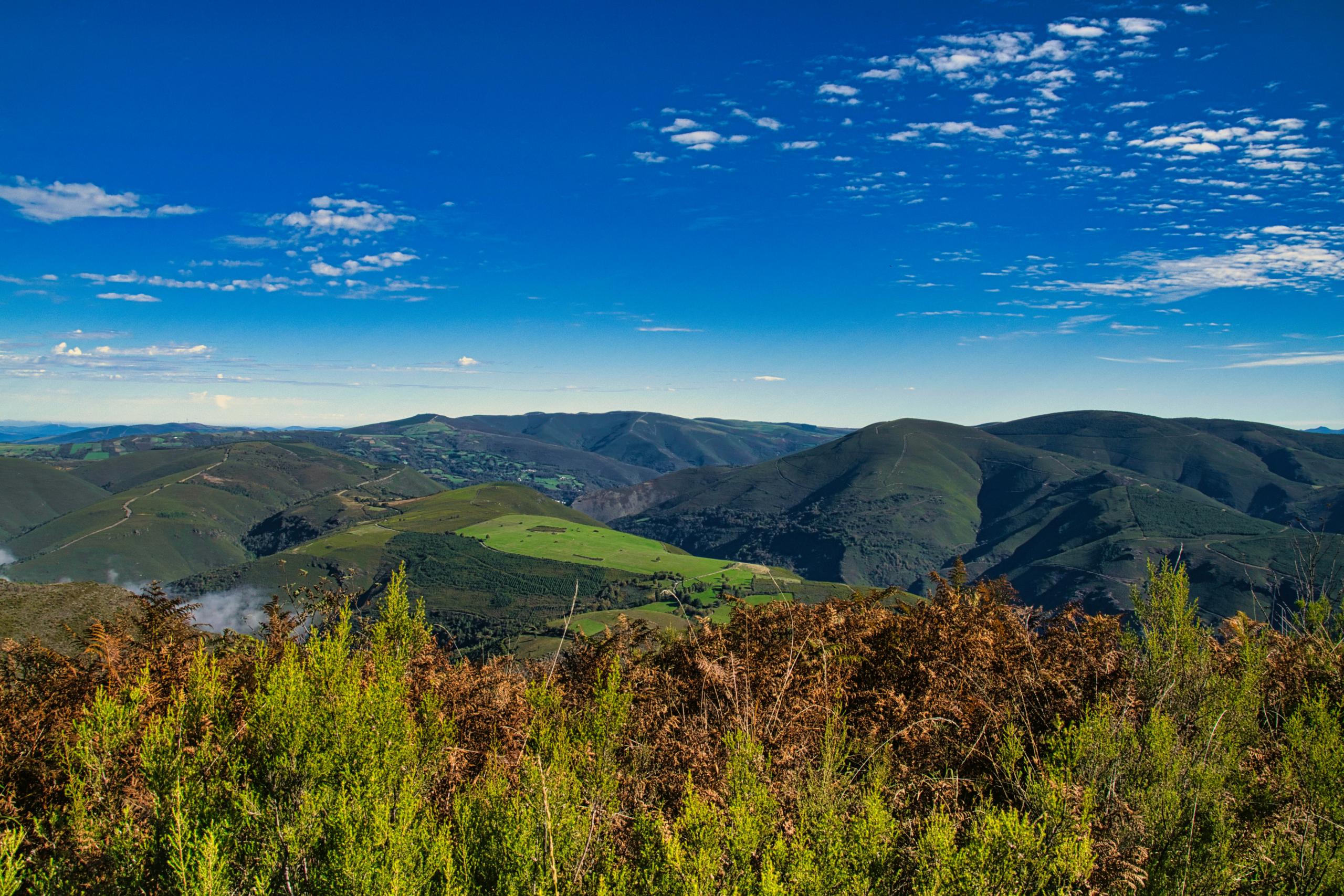
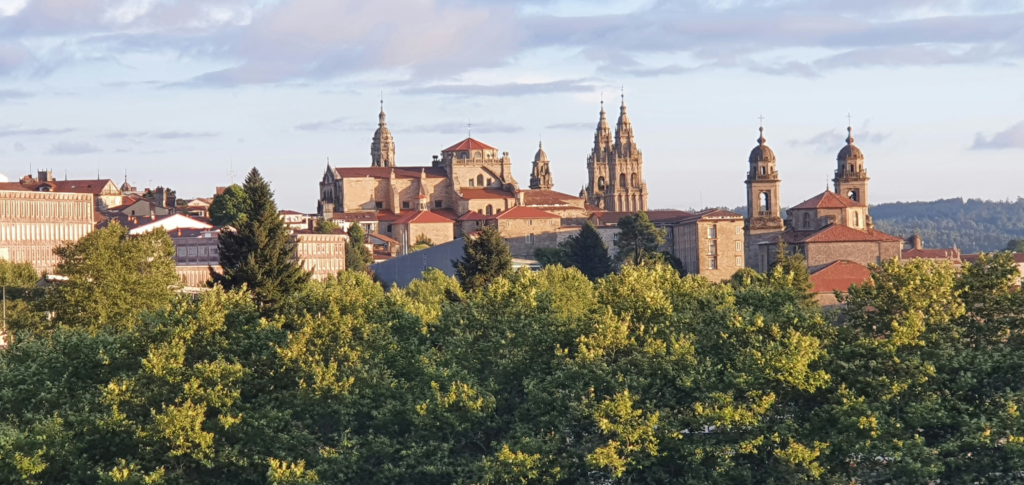
Asturias and Galicia, in north-western Spain are becoming more visible to international travellers, drawn by their nature, food, walking and slower pace. Climate change is part of this too, beginning to shift where and when people travel in Europe as some seek milder summers and greener environments. Much of this rising interest is not the result of the regions’ own marketing. It spreads through social media, travel press and word of mouth, and it can build faster than destinations have the capacity to shape it. Both regions are still early enough in their tourism development to decide what comes next, rather than simply respond to it.
Anticipating change rather than reacting to it
We worked with the Spanish Tourist Office UK to support Asturias and Galicia in shaping the future of tourism across the two regions. Destinations don’t need to wait for problems to appear before taking action. By identifying early signals of change, both regions can make deliberate choices about the kind of growth they want and build the collaborative frameworks needed to manage it well.
What we did
No single actor controls the system, but each has real influence, and working together is key to unlocking tourism development that benefits places, their communities and visitors alike.
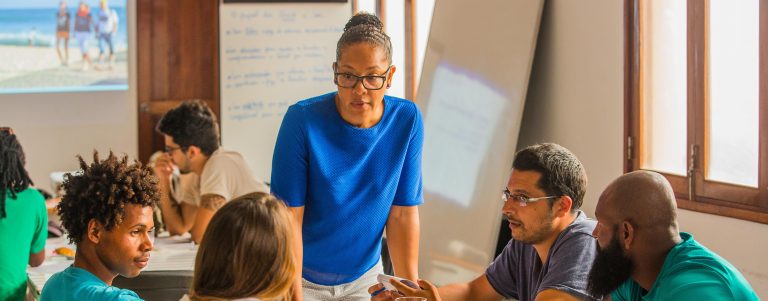
We began with conversations with the destination managers in Asturias and Galicia, to understand how tourism is evolving in each region and the future they’d like to see. This thinking then came together at a strategic session in London in June 2026, hosted by the Spanish Tourist Office, which brought the two regions together with operators, ABTA and travel writers for a practical, forward-looking conversation. The session ran in four parts:
- Short reflections from Asturias and Galicia on how tourism is evolving in each region and the future they want for it;
- A framing of the emerging signals shaping destinations globally: shifting demand, the concentration of visitors on a few recognisable places, community impacts, local businesses missing out on the benefits of growth, ageing destination-management tools, the influence of the travel trade, and the different ways the travel trade shapes demand;
- A roundtable discussion on how success should be measured, how visitor flows can be shaped, and how well-known places can open up the wider region rather than concentrating demand;
- A scenario exercise in which different stakeholder groups worked through a sudden rise in demand and identified how they would respond and work together.
Both regions came to the work with a clear, long-held sense of the tourism they want for their places. José Manuel Merelles, Director of Turismo de Galicia, described a strategy built around territorial balance, using tourism to sustain rural and inland areas through wine, heritage, gastronomy and local traditions rather than concentrating it on the coast and in the cities, with quality rather than volume as the organising idea. Tatiana González Sales, Head of Turismo de Asturias, described a model that has treated tourism as a tool for territorial development and conservation since the 1980s, spreading benefit across all 78 municipalities and using niche products such as birdwatching, managed bear watching, walking and industrial heritage to distribute visitors across the region and the seasons.
“Last year, the most significant growth in UK visitors to Spain was to our northern regions. As demand continues to grow, we have an opportunity to work with industry partners to ensure tourism creates value for destinations and local communities while supporting year-round travel.”
Manuel Butler, Director, Spanish Tourist Office UK
Outputs
We prepared a report for the Spanish Tourist Office and the two regions, Anticipating change: tourism signals for Asturias and Galicia, setting out where the regions stand today, the early signals that may shape their tourism future, and practical recommendations for stakeholders.
This collaboration offers a valuable model for other global destinations, highlighting that no single actor controls the system, but each has real influence, and working together is key to unlocking tourism development that benefits places, their communities and visitors alike.