
Attractions closing early, higher mortality rates and ever-rising temperatures: welcome to summer. Europe is now entering high season, and people are already adjusting their behaviour in response to extreme heat. Data from the European Travel Commission points to climate concerns, especially heat avoidance, as a growing factor in visitors’ trip planning. The impact on tourism is already here, while many destinations are still playing catch-up to how travellers are changing when, where and how they travel. Some destinations are already ahead of the curve, turning to heat-busting strategies to keep their economies, visitors and residents protected so that they can thrive in the new climate reality.
The new normal
For decades, many Northern Europeans have sought out sun, sea and sand in the south. That is still the case today and the Mediterranean continues to attract sunseekers. What is changing is the experience they encounter once they arrive.
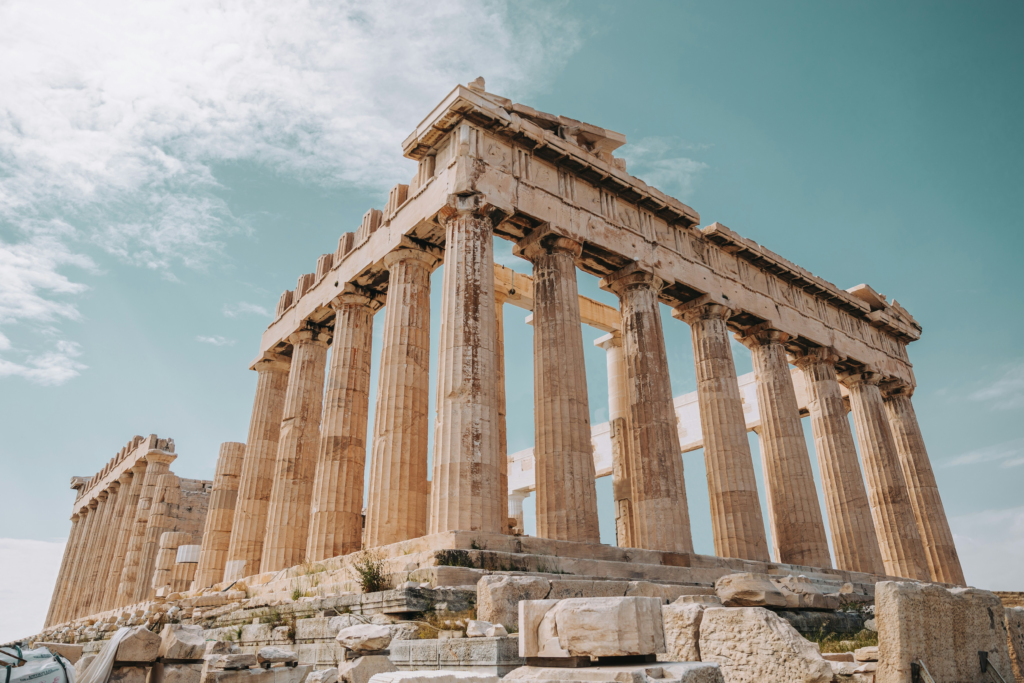
When the Acropolis in Athens closed during the hottest part of the day in 2025, it may have seemed like a one-off. This summer suggests otherwise, with attractions such as the Eiffel Tower and the Louvre closing early when conditions became unsafe for visitors and employees.
Some groups are more vulnerable than others, including infants, older people and those with underlying health conditions. The numbers are shocking: the World Health Organisation reports that heat is linked to more than half a million deaths each year, underscoring how the climate crisis is also a health crisis affecting countries worldwide.
Adapt or overheat
El Niño is returning, adding further pressure to an already warming world. A naturally occurring climate pattern driven by unusually warm waters in the tropical Pacific, El Niño can intensify extreme weather across much of the globe — from heatwaves to droughts and storms. According to the World Meteorological Organisation, its impacts are expected to escalate over the coming months, increasing the risk of extreme weather. These are worrying signs for health, economies, communities and destinations facing greater exposure to floods, droughts, water stress, desertification, storms and power disruption.
Community-first approach
With June’s heatwaves quickly giving way to July’s, there is a growing urgency to accelerate climate adaptation and resilience. There is no one-size-fits-all response. From London to Lisbon, Lagos to Lahore, the heat is rising. Yet many developing countries are already experiencing climate impacts more acutely, often with fewer resources to adapt.
For travel businesses and destinations, the response must start with a community-first approach before even considering the visitor experience. That is easier said than done when there are conflicting voices and funding challenges. How many are looking through the community lens?
So far, heat adaptation strategies remain few and far between. The Cool Noon pilot in five southern European destinations, which offers visitors alternative cooler routes, shows what actionable adaptation can look like. But only a minority of destinations have implemented some form of climate adaptation plan. What is holding the sector back when the reality is staring us straight in the face?
The adaptation funding gap
Lack of coordination, collaboration, capacity building and funding all sit behind the inertia.
Resilience depends on capacity-building. Destination organisations are well placed to lead this by developing skills, forging partnerships, and building leadership not just internally, but across the businesses and communities they work with. Training, peer learning, and hands-on support help local businesses understand and adapt to climate risk, thus strengthening the visitor economy’s competitiveness. Travel Forward’s Destination Climate Champions programme puts all this into practice, building in-house expertise within destination organisations and helping them pass that knowledge on to local stakeholders.
According to UNEP, developing countries will need USD310 billion annually by 2035 for adaptation across the entire economy, yet only a fraction of that funding is currently being delivered. The cost of delay will not only be measured in lost revenue, but in lives, livelihoods and the long-term resilience of destinations.
There is an opportunity here for DMOs to bridge the funding gap by bringing the right partners to the table. The core issue isn’t just money — it’s access. Destinations are often locked out of existing climate finance systems, not because funders don’t exist, but because destinations lack the evidence, governance and coordination those funders expect to see. Closing that gap means building that credibility so destinations can tap into more finance sources and actually deliver the infrastructure, business support and community resilience work adaptation requires. DMOs may not control the money or the infrastructure, but they’re positioned to convene the right players, build the case, and lead that process forward.
Mitigation is no longer sufficient
So what can destinations and travel businesses do in the face of rising temperatures? First, adaptation must sit alongside mitigation. Climate action plans are essential, but mitigation alone is no longer enough. Destinations need operational resilience strategies, sooner rather than later, to protect residents, workers and visitors; redesign experiences around heat risk; and build resilience into infrastructure, energy supply, operations, marketing and communications. The challenge is significant but not impossible to overcome.
Those destinations that move early will be the ones that get ahead of climate risks and have the best chance of protecting their communities, future-proofing their economies and thriving in a changing climate.
At Travel Forward, we help destinations and travel businesses understand climate risk, build adaptation strategies, build skills and knowledge and turn climate action plans into concrete resilience measures.